The Strategic Art of the Mound: Mastering Baseball Pitch Types
In baseball, the pitcher isn't just an athlete; they are the orchestrator of the game, dictating its pace, setting defensive strategies, and constantly engaging in a high-stakes mental battle with every batter. For any aspiring pitching prospect baseball player, understanding and mastering a diverse arsenal of pitches is paramount. It's not merely about raw velocity; it's about the precision, spin, and deception that turns a simple throw into an unhittable offering. This comprehensive guide will delve into the essential pitch types, exploring how speed, break, and illusion combine to make a truly dominant pitcher.
Beyond the Heater: Why Deception is King for a Pitching Prospect
While the roar of the crowd for a triple-digit fastball is undeniable, true pitching mastery extends far beyond sheer speed. The greatest pitchers learn to exploit a batter's instincts, creating doubt and disrupting timing through subtle variations. Imagine a pitching prospect baseball player who can make a 95 mph fastball look like a beach ball, then follow it with a pitch that seems to vanish or veer unexpectedly. This dance of deception is what separates good pitchers from legendary ones. It involves altering speeds, imparting different spins to create movement, and maintaining consistent arm angles to hide intent.
A pitcher's repertoire is their toolkit, and each pitch is a specialized instrument designed for a specific purpose. By varying these tools, a pitcher can keep hitters perpetually off-balance, preventing them from anticipating what's coming next. This strategic layering of pitches is a critical skill for any pitching prospect baseball player looking to advance through the ranks and dominate at higher levels of competition.
The Essential Arsenal: Understanding Key Pitch Types
A well-rounded pitching prospect will develop a diverse set of pitches, each with its unique characteristics in terms of velocity, spin, and movement. Here's a breakdown of the most common and effective pitch types:
Fastballs: The Foundation of Speed and Control
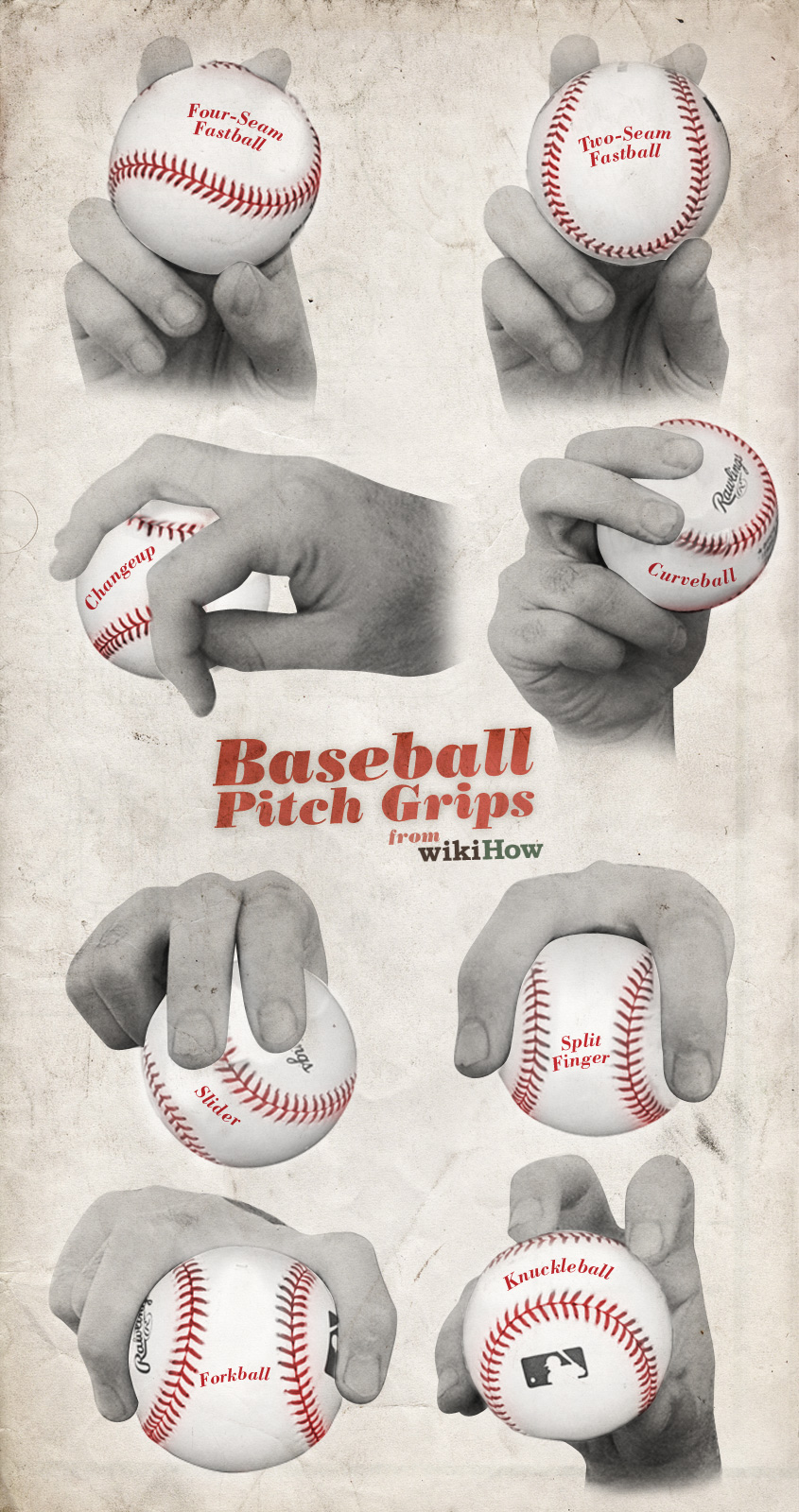
- Four-Seam Fastball: This is the workhorse pitch, typically thrown with maximum velocity (often between 90-100 mph at the professional level). The grip, with fingertips across the four seams, promotes backspin, which helps the ball resist gravity and appear to "ride" through the strike zone. It's designed to overpower hitters with pure speed and can be an excellent pitch to throw for strikes or to set up off-speed pitches.
- Two-Seam Fastball: Gripped with the fingertips along two seams, this fastball is usually a few miles per hour slower than a four-seamer but features subtle "arm-side run" (movement towards a right-handed batter for a right-handed pitcher) and often a slight sinking action. It's an excellent pitch for inducing ground balls and disrupting a batter's barrel control.
Breaking Balls: Unleashing Spin and Movement
- Curveball: Known for its dramatic, arcing downward break, the curveball is thrown with top-spin, causing it to "break" sharply as it approaches the plate. It's significantly slower than a fastball, often ranging from 70-85 mph, and is primarily used to throw off a batter's timing and generate swings and misses, particularly high in the zone or out of the strike zone.
- Slider: Faster and with a sharper, more lateral break than a curveball, the slider is thrown with a mix of gyro spin and side-spin. It typically moves away from a right-handed batter for a right-handed pitcher and can range from 80-92 mph. Sliders are highly effective at generating weak contact, strikeouts, and making batters chase pitches out of the strike zone.
- Cutter (Cut Fastball): A hybrid pitch, the cutter is thrown with fastball velocity but imparts a slight, late-breaking movement (often described as "cutting" away from the batter, similar to a mini-slider). It's excellent for jamming hitters, breaking bats, and disrupting timing with its subtle yet effective movement.
Off-Speed Pitches: The Art of Deception
- Changeup: The ultimate deception pitch, the changeup is thrown with the same arm speed and motion as a fastball, but it travels significantly slower (typically 10-15 mph less than the fastball). This velocity difference, coupled with arm-side fade or sink due to reduced spin, makes the batter swing early or miss entirely. For a developing pitching prospect baseball player, a well-executed changeup is a game-changer against aggressive hitters.
- Sinker: While sometimes grouped with fastballs due to its grip, the sinker's primary characteristic is its pronounced downward movement as it approaches the plate. This extreme sink is designed to induce ground balls, making it a valuable tool for limiting extra-base hits and managing pitch counts.
- Knuckleball: A truly unique and rare pitch, the knuckleball is thrown with little to no spin, causing it to flutter and dance unpredictably. Its erratic movement makes it incredibly difficult for batters to track and hit solidly. Mastering a knuckleball requires immense feel and practice, and it's typically a pitcher's sole primary weapon.
Strategic Placement: Mastering Pitch Location and Metrics
Understanding pitch types is only half the battle; knowing where to throw them is equally crucial. For a pitching prospect baseball player, becoming adept at pitch location can elevate their game significantly. Modern baseball utilizes sophisticated metrics to analyze every aspect of a pitch, from its initial release to its crossing the plate.
Key metrics like the Horizontal Coordinate (px) and Vertical Coordinate (pz) are essential. The `px` value measures the pitch's horizontal position relative to the center of home plate (0 feet), while `pz` indicates its vertical position relative to the ground (0 feet). These coordinates define the strike zone, typically divided into nine strategic sections, allowing pitchers to pinpoint specific areas to exploit a hitter's weaknesses.
For example, a high-and-inside fastball can tie up a hitter, while a low-and-away changeup can induce a swing and miss. Analyzing vast datasets of pitches, as highlighted in studies tracking millions of records, allows pitchers and coaches to refine strategies based on the effectiveness of specific pitches in particular locations. This data-driven approach is invaluable for a pitching prospect baseball player looking to understand and optimize their performance. To dive deeper into the science of pitch placement and its strategic impact, consider exploring Unlock Pitching Success: Metrics, Strategy & Pitch Location.
Developing a Dominant Pitching Prospect: Tips for Success
For any young athlete aspiring to become a formidable pitching prospect baseball player, a holistic approach is vital. It's a journey that combines physical development, mental toughness, and a deep understanding of the game.
- Prioritize Command Over Velocity: While velocity is exciting, the ability to consistently throw any pitch for a strike, and to hit specific locations, is far more valuable. Command sets up everything else.
- Develop at Least Three Pitches: A fastball, a breaking ball (curve or slider), and a changeup form the foundation of an effective arsenal. This variety keeps hitters guessing.
- Understand Your Pitches: Know what each pitch is designed to do, when to throw it, and how it reacts to different grips and arm slots. Practice feeling the spin and movement.
- Arm Care and Conditioning: Pitching is physically demanding. A consistent arm care routine, proper conditioning, and listening to your body are crucial for longevity and injury prevention.
- Mental Toughness: Learn to manage pressure, stay focused under stress, and recover quickly from mistakes. Pitching is as much a mental game as it is a physical one.
- Work with Your Catcher: The battery is a partnership. Effective communication and trust with your catcher can elevate your game by helping you strategize and execute pitches more effectively.
- Continuous Learning: Study professional pitchers, analyze your own outings, and be open to coaching feedback. The best pitchers are always learning and refining their craft.
Mastering these aspects will not only make you a more effective pitcher but also a more attractive pitching prospect baseball scouts and coaches are eager to develop. For more in-depth techniques and overarching strategy, refer to Master Baseball Pitching: Techniques, Types & Strategy.
Conclusion
Pitching in baseball is a complex blend of athleticism, physics, and psychology. For any aspiring pitching prospect baseball player, developing a diverse arsenal of pitches – from blazing fastballs to deceptive changeups and sharp-breaking curves – is non-negotiable. It’s about more than just throwing hard; it's about precision, strategic thinking, and the ability to outsmart your opponent with every pitch. By understanding the nuances of speed, break, and deception, and by continuously refining their craft, pitchers can control the game, dominate batters, and ultimately become the cornerstone of their team's success.